

Overseeding is a great way to breathe new life into your lawn in Tennessee and fill in any bare or patchy areas with new grass. However, to ensure your new grass seeds germinate successfully, you'll need to follow a proper watering schedule. During the first two weeks after overseeding, keep the soil consistently moist by watering lightly two to four times daily. It's also important to avoid puddles when watering to prevent suffocating the seeds. After two weeks, switch to deeper, less frequent watering, once or twice a day, to encourage root growth and drought resistance. By the end of four weeks, transition to normal watering, once or twice a week, to support a strong root system. This balanced approach helps ensure successful germination and a healthy, resilient lawn.
Watering Schedule for the First 2 Weeks After Overseeding
The first two weeks after overseeding are crucial. During this period, your primary goal is to keep the top layer of soil consistently moist so that the seeds can germinate effectively. This means you should water your lawn lightly but often—around two to four times a day.
Frequent, light watering ensures that the seeds don’t dry out. If the seeds are allowed to dry, the germination process might be interrupted, leading to uneven growth or failed seeding. Use a sprinkler system or hose with a diffuser to gently mist the soil. Avoid creating puddles, as excessive water can suffocate the seeds or wash them away. Early mornings and late afternoons are the ideal times to water, as it minimizes evaporation.
Watering Schedule for Weeks 2-4 After Overseeding
Once you hit the two-week mark after overseeding, you should see early signs of sprouting. This is when your watering strategy needs to shift slightly. Now, you’ll want to water your lawn more deeply but less frequently, aiming for watering once to twice a day. By providing more water during each session, you encourage the roots to grow deeper into the soil. This helps the young grass plants develop a strong foundation and enhances drought resistance in the future. Deep watering also ensures that nutrients are effectively transported to the growing roots. Monitor the weather conditions and be flexible; on cooler days, you might reduce the amount of water slightly, while warmer days might require additional moisture.
Return to Your Normal Watering Schedule a Month After Overseeding Your Lawn
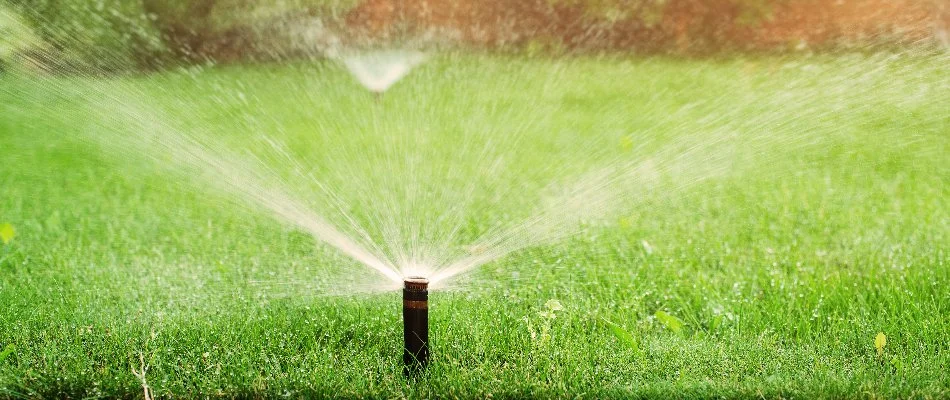
By the end of four weeks, your overseeded lawn should have established young grass plants. At this stage, it’s time to gradually transition to a regular watering schedule suited for mature lawns. Typically, this means watering deeply once or twice a week, depending on your local climate and grass type.
Deep, infrequent watering encourages the lawn's root system to grow even deeper, reaching for moisture and nutrients below the surface. This is crucial for maintaining a healthy lawn that can withstand seasonal changes and occasional dry spells. However, remain attentive to the lawn’s appearance. If the grass starts to look dull or patchy, you might need to slightly adjust your watering regimen.
Call us today to schedule our overseeding service!
Caring for an overseeded lawn requires a bit of patience and attention, especially during the first few weeks. With a structured watering schedule, you can give your new grass the best start possible. Here at Herbi-Systems, we offer an overseeding service to help you achieve a lush, thick lawn. Our team of experts will carefully spread a premium blend of fescue grass seeds across your lawn to fill in any bare or patchy areas.
We offer our overseeding service to commercial and residential properties, as well as HOAs, in Memphis, Collierville, Germantown, and nearby areas in Tennessee. With our expertise and commitment to quality, you can trust that your lawn will be in good hands. Don't wait any longer to achieve the beautiful, healthy lawn you've always wanted. Call us today at (901) 382-5296 to schedule our overseeding service!
Comments (0)
Thanks for your comment!
Thanks for your feedback! Your comments have been successfully submitted! Please note, all comments require admin approval prior to display.
Error submitting comment!
There is a problem with your comment, please see below and try again.