
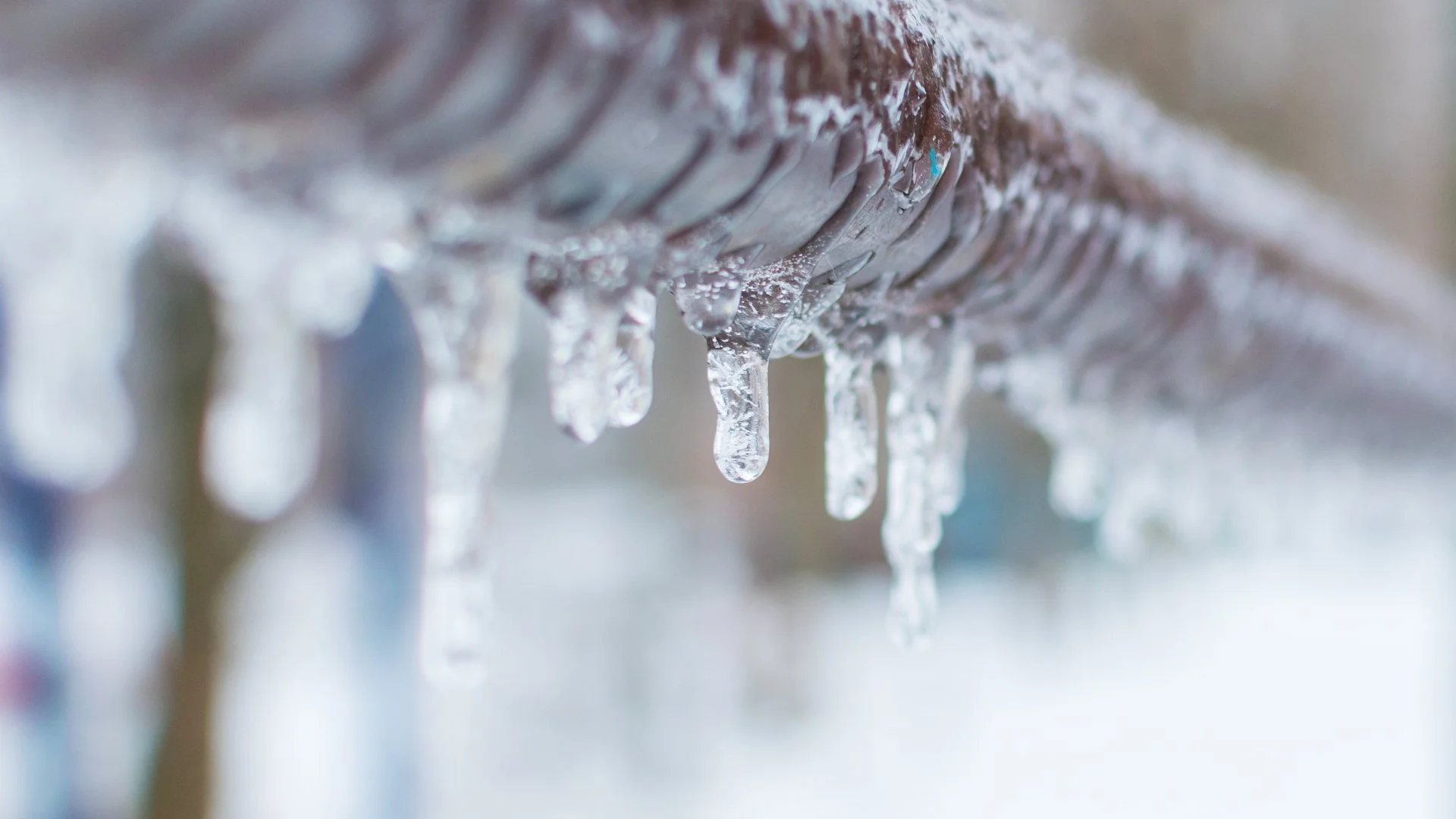
Using antifreeze in sprinkler irrigation systems as preparation for the winter season is a big no, as it can cause corrosion, clogs, and potential fire hazards. Unlike car engines, sprinkler systems can't handle antifreeze, leading to weakened pipes and costly repairs. Instead, proper winterization is essential to prevent freeze damage for your irrigation system in Tennessee. This involves turning off the water supply and draining the system to avoid cracked pipes.
While DIY methods exist, hiring professionals ensures effective protection. They can accurately drain the system, spot potential issues, and offer tailored advice, ensuring optimal performance come springtime. Trusting experts provides peace of mind and comprehensive protection for your irrigation system.
Putting Antifreeze in Your Sprinkler System Can Cause Corrosion, Clog Sprinkler Heads & Be a Fire Hazard
Antifreeze might seem like an easy solution to prevent freezing in your sprinkler system, but it carries significant risks. First, antifreeze can cause corrosion within the pipes and other components of your system. Unlike car engines, sprinkler systems are not built to handle the chemical nature of antifreeze, which can lead to damage over time. Corroded pipes can weaken, leading to leaks and costly repairs.
Beyond corrosion, antifreeze can clog sprinkler heads. Its consistency and chemical composition can lead to blockages, reducing water flow and hindering the system's performance. In severe cases, clogged heads may require replacement, adding to maintenance expenses.
Moreover, antifreeze poses a fire hazard. Some types of antifreeze are flammable, and if they leak or come into contact with certain materials, there's a risk of fire. This is especially concerning if your sprinkler system is near your home or other structures.
How do you protect your irrigation system from freeze damage?
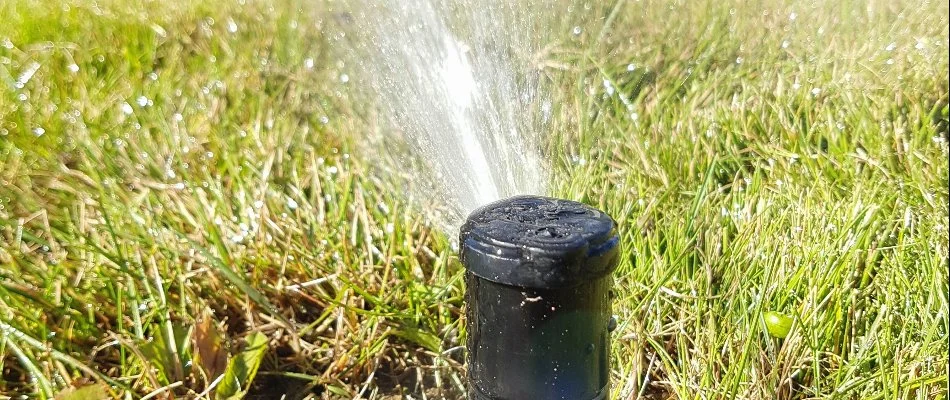
Instead of using antifreeze, proper winterization is the key to protecting your irrigation system from freeze damage. Winterizing involves draining the water from your system to prevent it from freezing and expanding, which can cause pipes to crack.
The winterization process involves turning off the water supply to your sprinkler system. This step ensures that no additional water enters the system once it's been drained. The process also includes manually draining or blowing out the remaining water in the pipes. Removing water from the system can vary depending on your system's setup, but generally involves opening manual drainage valves or using an air compressor to force the water out of the pipes and sprinkler heads.
Hire pros to winterize your irrigation system.
While DIY winterization is possible, hiring professionals is a smart choice for ensuring your system is effectively protected. Experienced technicians have the knowledge and tools to properly winterize your system, reducing the risk of damage and ensuring optimal performance when spring arrives.
Professionals can accurately assess your system and use appropriate techniques to drain it completely. They can also spot potential issues that might need attention before the next watering season, saving you from unexpected problems later on. By hiring irrigation experts, you gain peace of mind knowing your system is in good hands. They can provide tailored advice and services based on your specific setup and climate, ensuring comprehensive protection against freeze damage.
Call us today to schedule our winterization service!
Using antifreeze in your lawn sprinkler system is not only ineffective but can also cause severe damage and potential safety hazards. Instead, focus on properly winterizing your system to protect it from freezing temperatures. That's where we come in! At Herbi-Systems, we offer an irrigation winterization service to residential and commercial properties, as well as HOAs, in Memphis, Collierville, Germantown, and nearby areas in Tennessee. Give us a call today at (901) 382-5296 to schedule this service!

Comments (0)
Thanks for your comment!
Thanks for your feedback! Your comments have been successfully submitted! Please note, all comments require admin approval prior to display.
Error submitting comment!
There is a problem with your comment, please see below and try again.