
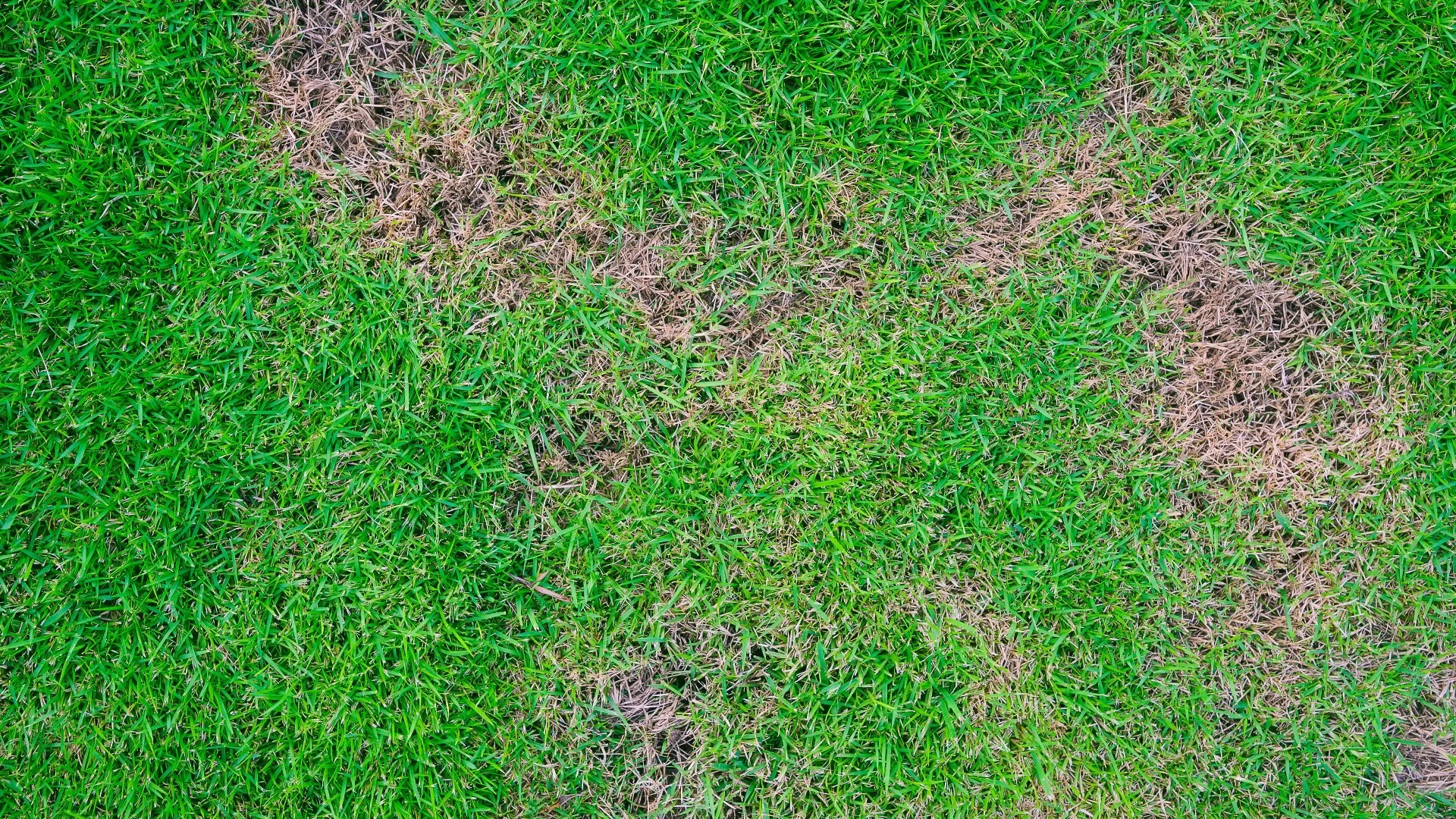
Spring dead spot is a common disease affecting bermudagrass in Tennessee, characterized by circular patches of dead grass appearing in spring. Caused by a soil-borne fungus, it weakens roots and stolons, compromising lawn health and aesthetics. Quick action is essential, and professionals can accurately diagnose and treat the disease with targeted fungicides. Preventative treatments are crucial for future protection. By investing in these, you create a protective barrier against the fungus, ensuring a lush, vibrant lawn without the recurring worry of spring dead spot.
What is spring dead spot, and how does it damage your lawn?
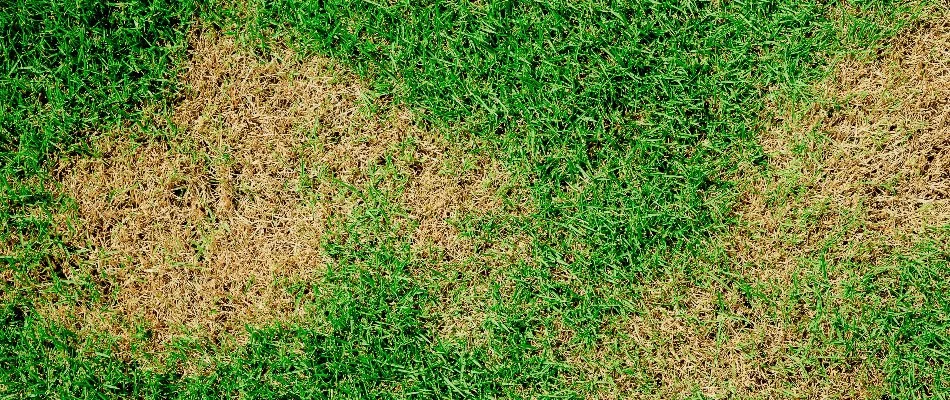
Spring dead spot primarily affects bermudagrass, a popular choice for lawns in Tennessee due to its lush, green appearance and resilience. However, when infected by this disease, your lawn may begin to show circular patches of dead grass, typically ranging from a few inches to a few feet in diameter. These spots often appear in the spring as the grass starts to green up, hence the name "spring dead spot."
The disease is caused by a soil-borne fungus that attacks the roots and stolons of bermudagrass, weakening the plant and making it more susceptible to environmental stressors. Over time, the grass in these areas dies off, leaving behind bare patches that disrupt the uniformity of your lawn. Not only does this affect the aesthetic appeal of your yard, but it also compromises the overall health of your lawn, making it more vulnerable to weeds and other diseases.
If your lawn is dealing with spring dead spot, you'll want to reach out to professionals right away!
If you notice the telltale signs of spring dead spot on your lawn, it's crucial to act quickly. While some property owners may attempt to address the issue themselves, the expertise of a professional is invaluable in accurately diagnosing and treating this disease. Lawn care professionals have the necessary tools and knowledge to confirm the presence of spring dead spot and determine the best course of action.
Once the infection is confirmed, professionals can administer targeted treatments to help your lawn recover. This often involves applying fungicides specifically designed to combat the fungus responsible for spring dead spot. Additionally, they may recommend cultural practices such as aeration and proper fertilization to strengthen the grass and improve its resilience against future infections. By relying on the expertise of professionals, you can ensure that your lawn receives the care it needs to bounce back from this damaging disease.
Invest in preventative disease control treatments to keep spring dead spot from becoming an issue again.
While treating an existing infection is essential, prevention is always the best strategy. By investing in preventative treatments, you can significantly reduce the risk of spring dead spot affecting your lawn in the future. Lawn care professionals can develop a tailored plan that includes applying fungicides at the right time, targeting the fungus before it becomes active. These treatments create a protective barrier, preventing the disease from taking hold. By proactively addressing potential issues with these specialized treatments, you can enjoy a lush, vibrant lawn without worrying about spring dead spot reappearing.
Give us a call today to schedule our lawn disease control service.
Your lawn can take a heavy beating from common diseases, such as spring dead spot. To keep your grass healthy and protected, look no further than our lawn disease control service. This service includes effective curative treatments against diseases like spring dead spot, stopping the fungus in its tracks before it causes further damage. We also offer preventative applications to protect your grass from diseases!
We offer our lawn disease control service to commercial and residential property owners, as well as HOAs, in Memphis, Collierville, Germantown, and throughout the surrounding areas of Tennessee. Give us a call at (901) 382-5296 to schedule this service today!
Comments (0)
Thanks for your comment!
Thanks for your feedback! Your comments have been successfully submitted! Please note, all comments require admin approval prior to display.
Error submitting comment!
There is a problem with your comment, please see below and try again.