
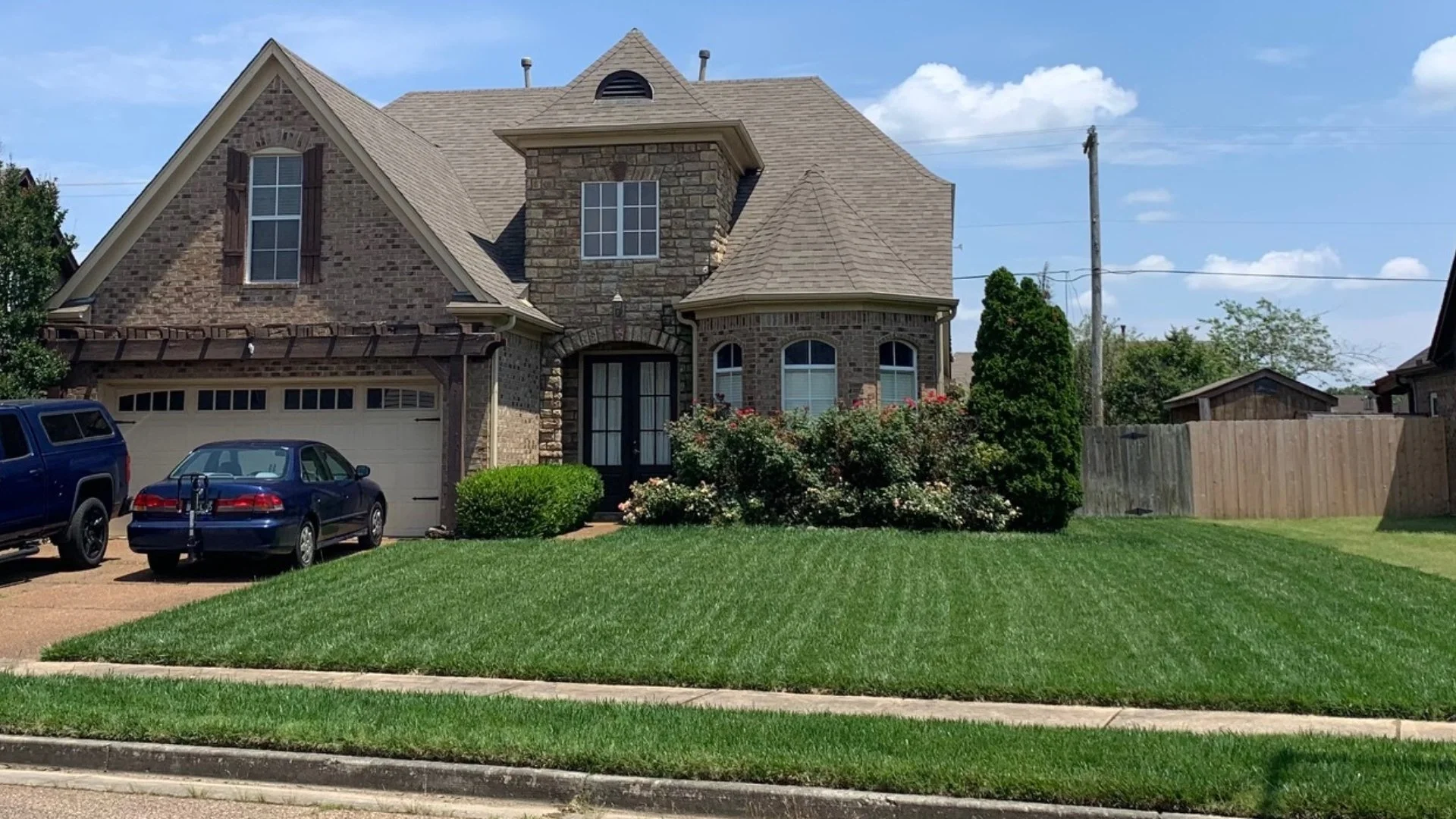
Overseeding is a great way to enhance the density and thickness of your lawn in Tennessee, but it requires proper care afterward to ensure the new seeds successfully germinate and establish. After overseeding, wait 2-4 weeks before mowing to allow seedlings to establish strong roots. These young grass blades need time to anchor into the soil, and mowing too early can damage them. Keep the soil consistently moist during this period. Wait until the grass reaches about 3 inches tall to ensure it's strong enough for mowing. Adjust your mower to its highest setting to protect the new grass and follow the 1/3 rule: only cut one-third of the grass height at a time. This approach minimizes stress and promotes healthier, resilient growth.
Wait 2 to 4 weeks after overseeding before mowing your lawn.
After overseeding, patience is key. Typically, you should wait 2-4 weeks before mowing your lawn. This period allows the new grass seedlings ample time to establish strong roots. The young grass is delicate and needs time to anchor into the soil to withstand the mechanical stress of mowing. Cutting too soon can uproot or damage the seedlings, hindering their ability to thrive.
During these weeks, focus on keeping the soil consistently moist to support germination and growth. New seeds require frequent, light watering to avoid drying out, which can be detrimental to their development. Let the grass grow without interruption during this crucial establishment phase.
Wait until the new grass is about 3 inches tall before mowing your lawn after overseeding.
Timing your first mow is crucial after overseeding, and it’s best to wait until the new grass reaches a height of approximately 3 inches. This height ensures that the seedlings are mature enough to cope with mowing and that their root systems are strong enough to support continued growth. Allowing the grass to grow taller before the first mowing helps it develop resilience and encourages deeper root growth. This strategy not only boosts the overall health of your lawn but also increases its ability to resist environmental stresses such as drought or foot traffic. Monitoring the growth will help you determine the right moment to mow.
Follow Best Practices When Mowing Your Lawn After Overseeding
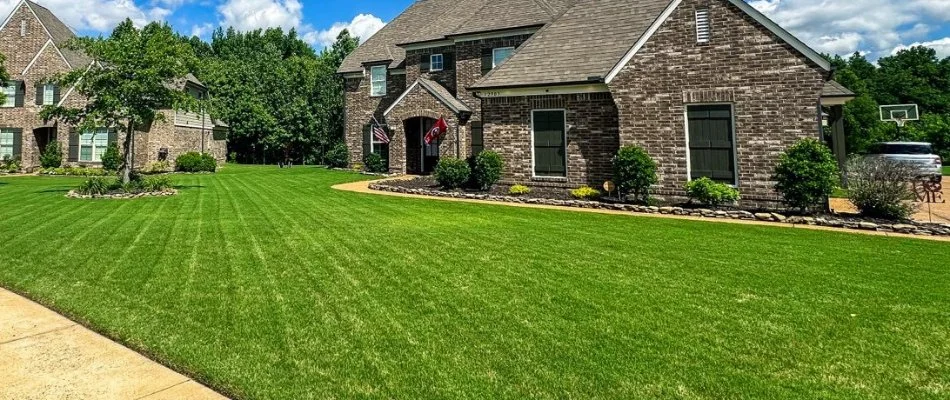
When you finally get the green light to mow after overseeding, setting your mower deck to its highest setting is essential. This approach protects the young grass blades from being cut too short, which can cause stress and weaken their growth potential. Keeping the grass longer also aids in maintaining soil moisture and prevents weed growth.
Furthermore, adhere to the 1/3 rule, which is to never remove more than one-third of the grass blade height in a single mow. This rule minimizes shock to the grass, reducing stress and promoting healthier, thicker growth. Gradually reducing grass height with each mow allows the lawn to adjust and thrive.
Call us today to schedule our overseeding service!
At Herbi-Systems, we offer an overseeding service that is designed to increase the density of your lawn and fill in any bare or patchy areas with new grass. When you sign up for this service, we will spread a premium blend of fescue grass seeds across your lawn to help fill in any bare or patchy areas with new growth. If you want to get optimal results, we recommend pairing this service with aeration to give the grass seeds good contact with the soil.
We offer our overseeding service to commercial and residential property owners, as well as HOAs, in Memphis, Collierville, Germantown, TN, and neighboring areas. Call us today at (901) 382-5296 to schedule our overseeding service.
Comments (0)
Thanks for your comment!
Thanks for your feedback! Your comments have been successfully submitted! Please note, all comments require admin approval prior to display.
Error submitting comment!
There is a problem with your comment, please see below and try again.