
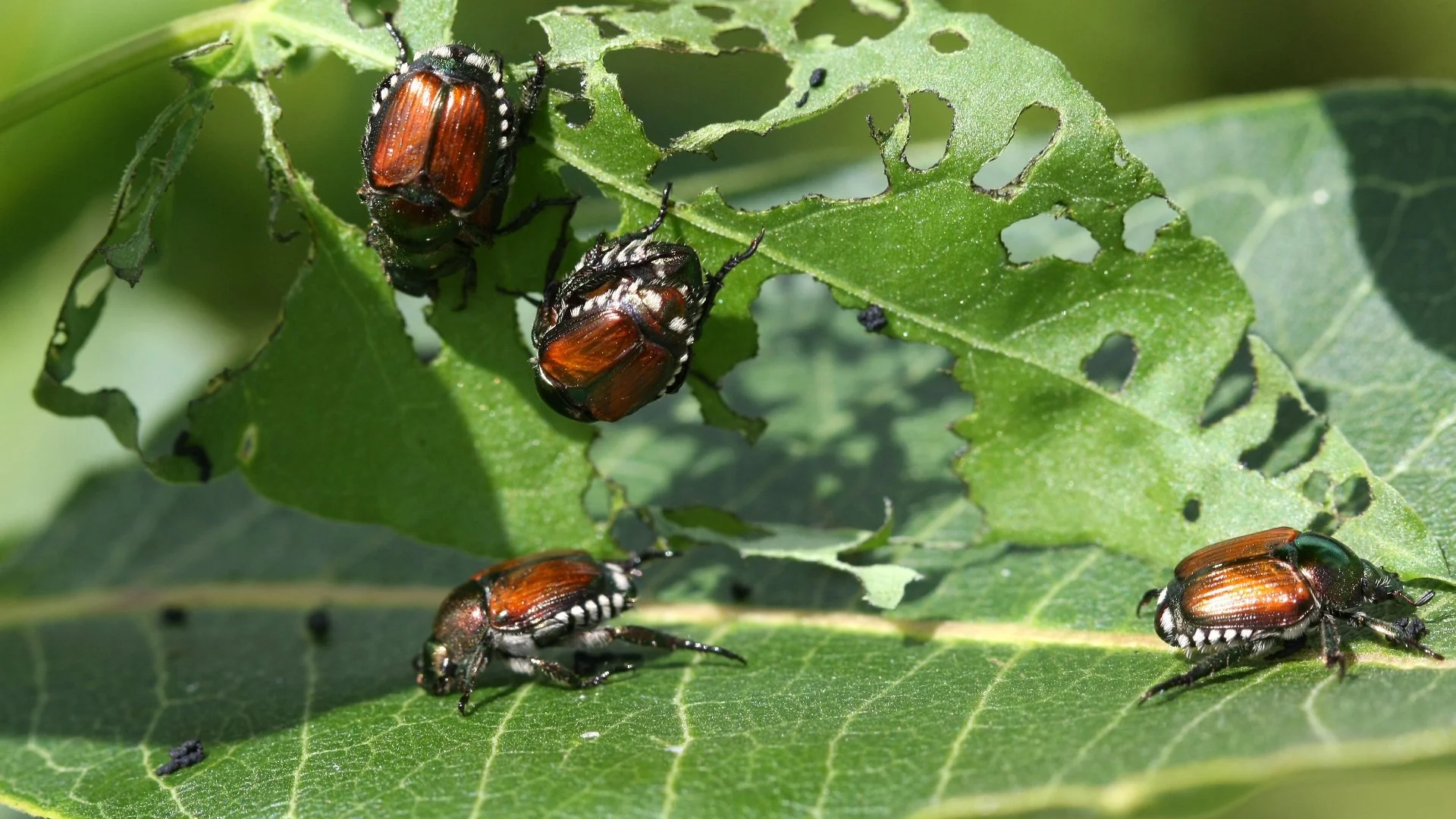
Japanese beetles are a notorious pest that can wreak havoc on your plants in Tennessee. These pests have a life cycle that begins with them as grubs, and they eventually emerge as adult beetles that feed on the leaves of your plants. However, you can prevent them from ever reaching this stage by scheduling a preventative grub control treatment. This treatment is designed to eliminate grubs before they have a chance to develop into adult beetles. The best time to apply this treatment is during the early and late summer months when the grubs are still in their early stages of development.
The Life Cycle of Japanese Beetles
Japanese beetles have a distinct life cycle that is mostly spent underground. This life cycle lasts a full year and includes four main stages: egg, grub, pupa, and adult. Their life begins in the mid- to late summer, between June and August, when adult Japanese beetles emerge to mate. Japanese beetles feed on the foliage and flowers of your plants, making them less vigorous, weak, and dull. As the mating season gets underway, these adult beetles lay about 40 to 60 eggs in the soil. After two weeks, these eggs will hatch into grubs.
Grubs are white, C-shaped larvae that feed on organic matter and the roots of grass. They continue to feed aggressively into early fall, causing visible damage to lawns. Grubs will move deeper beneath the soil to overwinter. Come springtime, when soil temperatures start to warm up, they reemerge to continue feeding. Around late spring to early summer, grubs pupate and transform into adult Japanese beetles. As the Japanese beetles emerge, they begin the cycle all over again.
Prevent Japanese beetles from harming your plants by stopping them when they're grubs.
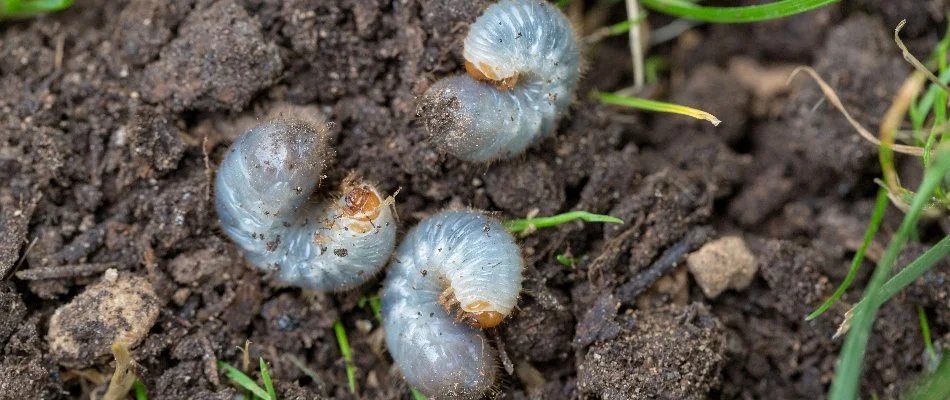
Japanese beetles can cause extensive damage to your plants, and most people worry about and tackle them as adult beetles. However, the real opportunity for effective control lies in targeting Japanese beetles at the root. This means dealing with them when they're still grubs on your lawn! That's where preventative grub control comes in.
Preventative grub control treatments are designed to target newly hatched grubs before they begin feeding aggressively and causing damage to your lawn and your plants. Tackling grubs breaks their life cycle and stops them from ever becoming adult Japanese beetles that will wreak havoc on your plants. If you eliminate grubs, you can drastically reduce the number of Japanese beetles!
When should you schedule a preventative grub control treatment?
The effectiveness of preventative grub control lies heavily on the timing of application. The best time to apply a preventative grub control treatment is during the early and late summer months. During this time, the grubs are still in their early stages of development and are more susceptible to the treatment. This timing ensures the treatment's active ingredients are in place by the time grubs hatch.
By targeting the grubs during this time, you can effectively prevent them from ever reaching the adult stage and causing damage to your plants. Waiting too long can make the treatment ineffective because the grubs have already matured enough. It's best to hire a professional to administer the preventative grub control treatments on your lawn because they'll use an effective product and apply it at the right time for good results.
Call us today to schedule our grub control service!
At Herbi-Systems, we are committed to helping you protect your plants from the damage caused by Japanese beetles. Our grub control service provides preventative treatments that are designed to stop these pests at the source, preventing them from ever reaching the adult stage and causing harm to your plants. This service is offered to commercial and residential property owners, as well as HOAs, in Memphis, Collierville, Germantown, and throughout the surrounding areas in Tennessee. Don't let Japanese beetles destroy your plants - call us today at (901) 382-5296 to schedule our grub control service!

Comments (0)
Thanks for your comment!
Thanks for your feedback! Your comments have been successfully submitted! Please note, all comments require admin approval prior to display.
Error submitting comment!
There is a problem with your comment, please see below and try again.