
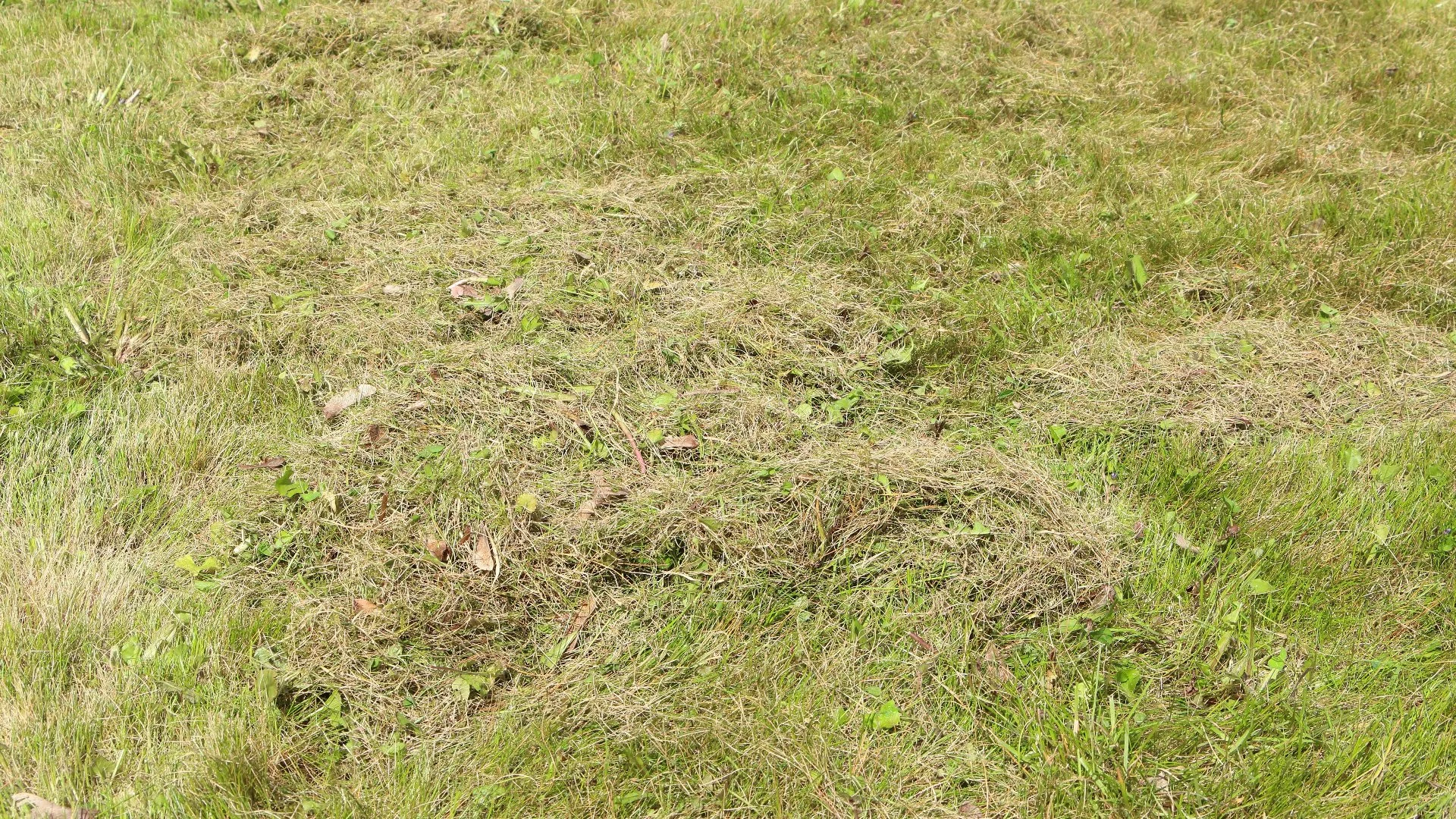
Thatch management is crucial for maintaining a healthy lawn in Tennessee. A thin layer of thatch under 1/2 an inch can benefit your lawn by retaining moisture and protecting roots. However, excessive thatch can block water and nutrients, hinder root development, and harbor pests and diseases. Annual aeration is an effective way to control thatch, as it improves soil access to air and nutrients while promoting microbial activity to break down thatch.
Thatch Isn't Inherently Bad for Your Lawn: It's How Much There Is
Thatch is a layer of organic material, primarily composed of dead and living grass stems, roots, and shoots, that accumulates between the soil surface and the green grass blades. When thatch is less than 1/2 an inch thick, it can actually be good for your lawn. This thin layer acts as a natural mulch, helping to retain soil moisture, regulate soil temperature, and protect the roots from extreme weather conditions. It also provides a cushion that can reduce soil compaction and improve the lawn's resilience to foot traffic.
However, when thatch becomes thicker than 1/2 an inch, it can start to cause problems. A thick thatch layer can create a barrier that prevents water, nutrients, and air from reaching the soil and roots. This can lead to shallow root systems, making the grass more susceptible to drought and stress. Additionally, thick thatch can harbor pests and diseases, further compromising lawn health.
How does thick thatch affect your lawn's health?
Excessive thatch can have several negative effects on your lawn:
- Water & Nutrient Blockage: Thick thatch acts like a sponge, absorbing water and nutrients before they can reach the soil. This can lead to nutrient deficiencies and increased water runoff, as the soil beneath remains dry.
- Root Development: The roots may start growing in the thatch layer instead of the soil, resulting in a shallow root system. Shallow roots are less effective at accessing water and nutrients, making the grass more vulnerable to drought and temperature fluctuations.
- Pest & Disease Habitat: Thatch can provide an ideal environment for pests and diseases. The organic material offers food and shelter, increasing the risk of infestations and infections that can damage your lawn.
- Reduced Resilience: A lawn with thick thatch is less resilient to stress from foot traffic, heat, and drought. The grass may appear thin and weak, with bare patches developing over time.
What should you do to keep thatch under control?
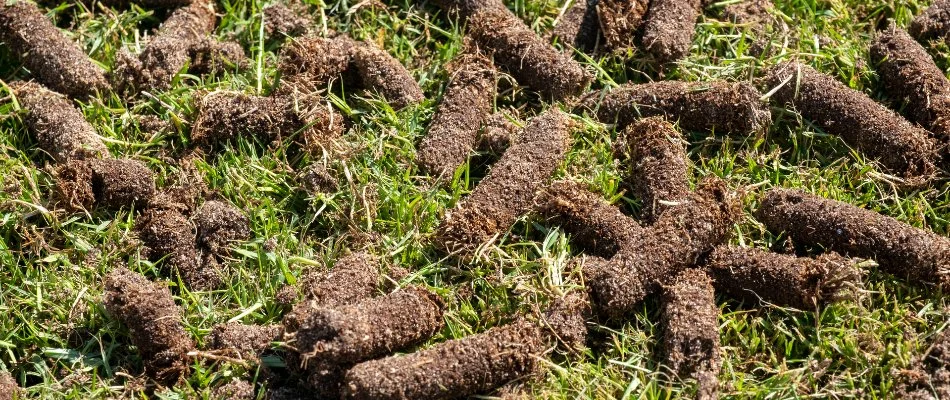
Managing thatch is essential for maintaining a healthy lawn, and one of the most effective strategies is annual aeration. Aeration involves perforating the soil with small holes to allow air, water, and nutrients to reach the roots. This process not only enhances root growth but also promotes microbial activity that helps break down the thatch layer naturally. By aerating annually, you can prevent excessive thatch buildup, ensuring that your lawn remains resilient and capable of absorbing essential nutrients and moisture. Regular aeration is a proactive approach to maintaining a balanced thatch layer while promoting overall lawn health.
Give us a call today to schedule our lawn aeration service!
If your lawn is struggling due to thick thatch, you need to schedule our lawn aeration service. This service involves removing plugs of soil from your lawn to loosen compacted soil and help control thatch to promote strong, healthy grass growth. We offer this service to commercial and residential properties, as well as HOAs, in Memphis, Collierville, Germantown, TN, and neighboring areas. Call us today at (901) 382-5296 to schedule this service!
Comments (0)
Thanks for your comment!
Thanks for your feedback! Your comments have been successfully submitted! Please note, all comments require admin approval prior to display.
Error submitting comment!
There is a problem with your comment, please see below and try again.