
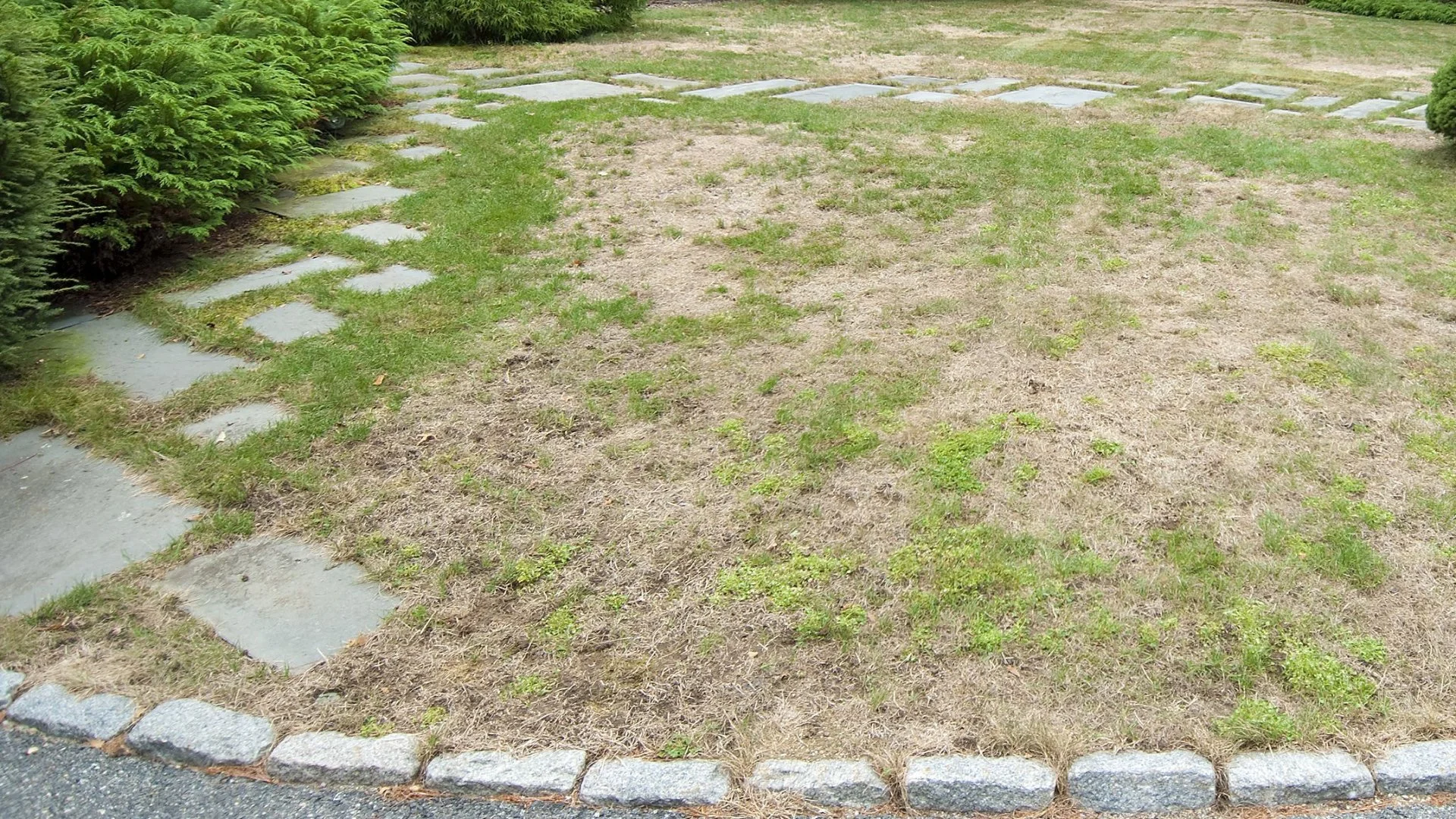
Understanding the factors contributing to a thin, patchy lawn can help you restore its health. Improper lawn care practices, such as mowing too short and incorrect watering, can stress grass and lead to bare spots. Soil compaction and thatch buildup prevent essential nutrients and water from reaching the roots, hindering growth. Lawn diseases and insect infestations further exacerbate the problem, causing discolored patches and damage. By adjusting care practices, aerating annually, and monitoring for pests and diseases, you can rejuvenate your lawn in Tennessee.
Improper lawn care practices can lead to a thin, patchy lawn.
Improper lawn care practices are often the root cause of a thin, patchy lawn. By adjusting your approach to mowing and watering, you can significantly improve your lawn's health and appearance. Here are some common mistakes to avoid:
- Mowing Mistakes: Cutting grass too short, known as "scalping," stresses the lawn and weakens its root system, making it vulnerable to disease and drought. Additionally, using dull mower blades tears the grass, leading to jagged edges that brown and create a patchy look. Always follow the one-third rule: never cut more than one-third of the grass blade length at once, and ensure your mower blades are sharp for clean cuts.
- Watering Mistakes: Both overwatering and underwatering can harm your lawn. Excessive water leads to shallow root growth and increases disease risk, while insufficient water stresses the grass, causing thinning. Aim to water deeply but infrequently, providing about one inch of water per week, including rainfall. Watering in the early morning reduces evaporation and allows efficient moisture absorption.
Soil compaction and thatch buildup can prevent nutrients, water, and oxygen from reaching your turf's roots.
Soil compaction and thatch buildup are significant barriers to a healthy lawn. Compacted soil restricts the flow of air, water, and nutrients to the roots, leading to weak growth and thinning grass. Thatch, a layer of organic matter between the grass and soil, can also block essential resources when it becomes too thick. Regular aeration can alleviate soil compaction by creating small holes in the soil, allowing better penetration of air and nutrients. Aeration also promotes the breakdown of thatch, ensuring your lawn receives the nourishment it needs.
Lawn diseases can damage your grass and lead to bare spots.
Lawn diseases can quickly turn a healthy lawn into a patchy one. Fungal diseases, such as brown patch and dollar spot, thrive in specific conditions and can spread rapidly if not addressed. Signs of disease include discolored patches and irregular growth patterns. To prevent lawn diseases, maintain good lawn care practices, such as proper mowing and watering, and ensure your lawn has adequate drainage and air circulation. If a disease does appear, consult a lawn care professional for targeted treatments to address the issue promptly.
Insect infestations can contribute to a thin, patchy lawn.
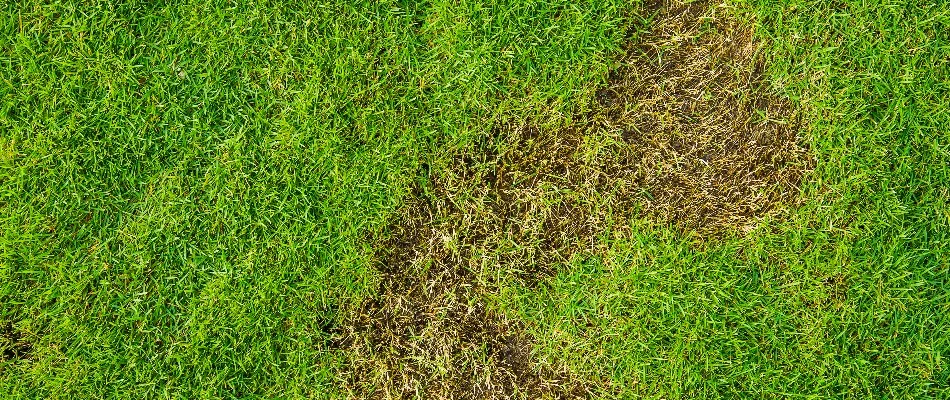
Insects can cause significant damage to your lawn, leading to thin, patchy areas. Common culprits include grubs, chinch bugs, and sod webworms, which feed on roots and grass blades. Signs of an insect problem include wilting grass, brown patches, and increased bird activity as birds feed on the insects. Regular monitoring and early detection are key to managing insect infestations. If you suspect an infestation, consider using natural or chemical treatments based on the severity of the problem and the specific pests involved.
Call us today to sign up for our lawn care services to thicken up your sparse lawn!
If your lawn looks sparse and patchy, our lawn care services are just what you need! Our team can fertilize your lawn to provide it with nutrients, apply weed control treatments, overseed it to thicken it up, treat it for insects and diseases, and more!
Our team at Herbi-Systems offers our lawn care services to commercial and residential property owners, as well as HOAs, in Memphis, Collierville, Germantown, and throughout the surrounding areas in Tennessee. Give us a call at (901) 382-5296 to schedule this service today!
Comments (0)
Thanks for your comment!
Thanks for your feedback! Your comments have been successfully submitted! Please note, all comments require admin approval prior to display.
Error submitting comment!
There is a problem with your comment, please see below and try again.