
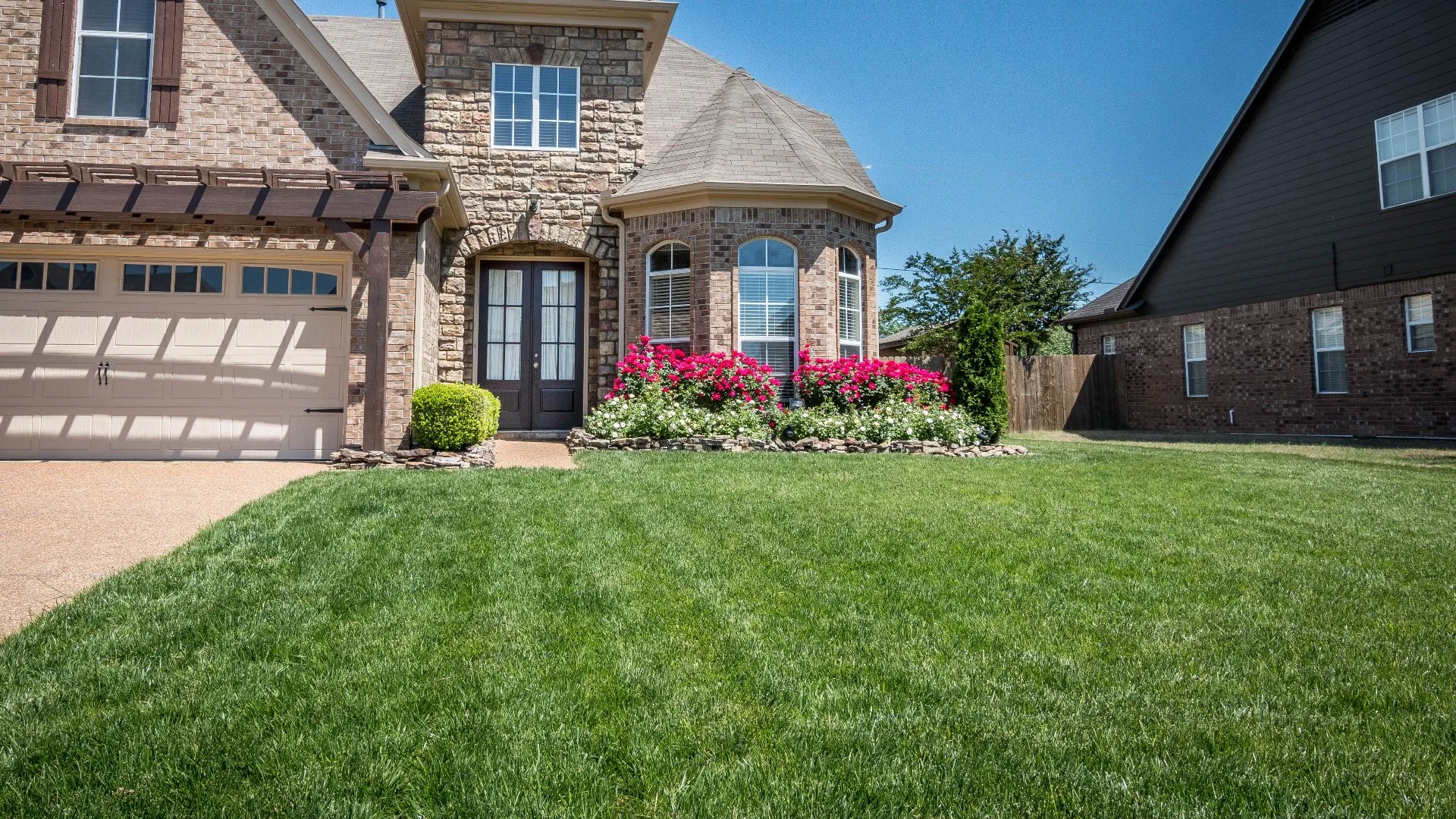
Diseases can cause extensive damage to your lawn, but you can implement reliable ways to help it recover. Fertilization provides essential nutrients like nitrogen, phosphorus, and potassium to help your grass in Tennessee recover from disease by strengthening roots and promoting growth. Aeration alleviates soil compaction, improving nutrient access and fostering deeper root development, which enhances overall lawn health and resilience. It's best done in the growing season to maximize effectiveness. Overseeding, particularly for fescue grass, fills in bare spots and revitalizes the lawn, creating a dense turf that resists weeds and pathogens.
Fertilization will supply your lawn with the nutrients it needs to recover from a disease.
Fertilization is a crucial step in helping your lawn recover from disease. A well-fertilized lawn has the nutrients it needs to strengthen its root system and promote healthy growth. When fertilizing, opt for a balanced fertilizer that provides essential nutrients such as nitrogen, phosphorus, and potassium. Nitrogen is particularly important for promoting lush, green growth, while phosphorus supports root development, and potassium enhances disease resistance. Apply the fertilizer evenly across your lawn to avoid causing additional stress, such as fertilizer burn. It's also important to water your lawn after fertilization to help the nutrients penetrate the soil and reach the roots.
Aeration will loosen compacted soil and make it easier for nutrients to reach the roots of your grass.
Aeration is another vital practice for lawns recovering from disease. Over time, soil can become compacted, restricting the flow of air, water, and nutrients to the roots. This can exacerbate disease problems and hinder recovery. Aeration involves perforating the soil with small holes to alleviate compaction and improve root access to essential resources. This improved access to nutrients means your grass can absorb and utilize the resources that will strengthen it and recover. What's more, aeration helps your grass develop stronger, deeper roots, which will bolster its overall health and resilience.
The best time to aerate your lawn is during the growing season when the grass can quickly recover—typically in the spring or fall. After aerating, it's a good idea to follow up with fertilization or overseeding, as the improved soil conditions will maximize their effectiveness. Aeration also helps break down thatch, a layer of organic matter that can harbor disease pathogens, further supporting lawn recovery.
Overseeding will fill in any bare or patchy areas caused by a lawn disease with new grass growth.
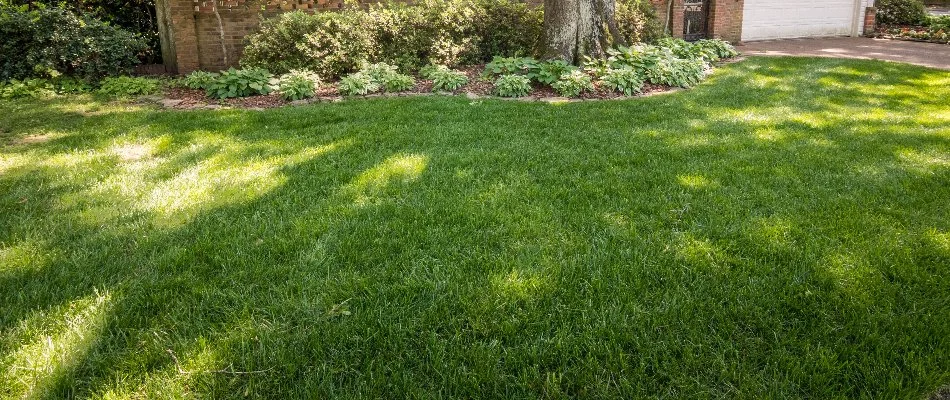
Overseeding is essential for helping cool-season lawns, such as fescue, recover from disease because it revitalizes and strengthens the turf. Fescue grass, known for its drought and shade tolerance, can become thin and vulnerable after a disease attack. By overseeding, you introduce new grass seeds to fill in bare spots, promoting a dense and healthy lawn. This process not only restores the lawn’s appearance but also enhances its overall vitality, making it more resilient to future diseases.
A thicker turf achieved through overseeding creates a competitive environment that crowds out weeds and disease pathogens. This increased density is crucial for disease resistance, as it minimizes the space available for pathogens to establish and spread. Additionally, overseeding introduces new, disease-resistant grass varieties, further fortifying the lawn against potential threats. By focusing on these aspects, overseeding becomes a pivotal step in ensuring a robust recovery.
Give us a call today to schedule our lawn care services!
If your lawn has been affected by a disease, we can help it recover! At Herbi-Systems, we offer a variety of lawn care services that are designed to help your lawn bounce back from a disease, including lawn fertilization, aeration, and overseeding. Our experts have been taking care of lawns since 1984, so you can be confident that we have the experience and skills to nurse your lawn back to health after a disease.
If you want to ensure diseases don't damage your lawn again in the future, our team also offers a lawn disease control service that includes preventative treatments! We offer our services to residential and commercial property owners, as well as HOAs, in Memphis, Collierville, Germantown, TN, and throughout the surrounding areas. Call us today at (901) 382-5296 to schedule our lawn care services!
Comments (0)
Thanks for your comment!
Thanks for your feedback! Your comments have been successfully submitted! Please note, all comments require admin approval prior to display.
Error submitting comment!
There is a problem with your comment, please see below and try again.