
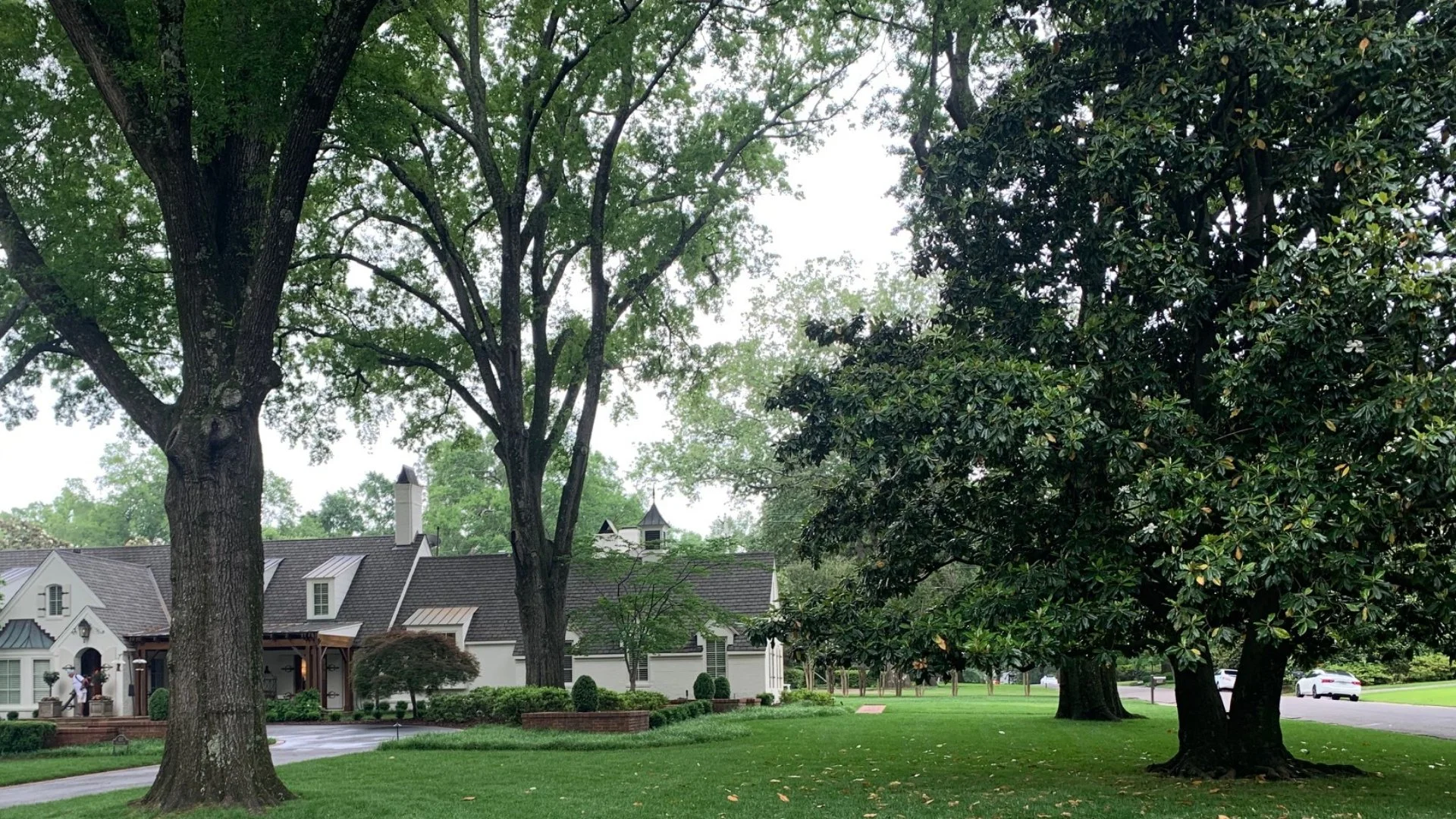
Root rot is a serious disease that can be fatal to your trees in Tennessee. It is caused by a fungus that thrives in moist and poorly drained soils, resulting in extensive damage to the roots that support your tree's growth. If left untreated, root rot can lead to the death of your tree. Fortunately, there are ways to deal with this disease. By scheduling professional treatments, you can effectively combat root rot and protect your trees from further damage. Additionally, tree fertilization treatments can help your trees recover from any damage caused by root rot. These treatments provide essential nutrients that promote healthy growth and strengthen the tree's natural defenses against diseases.
What is root rot?
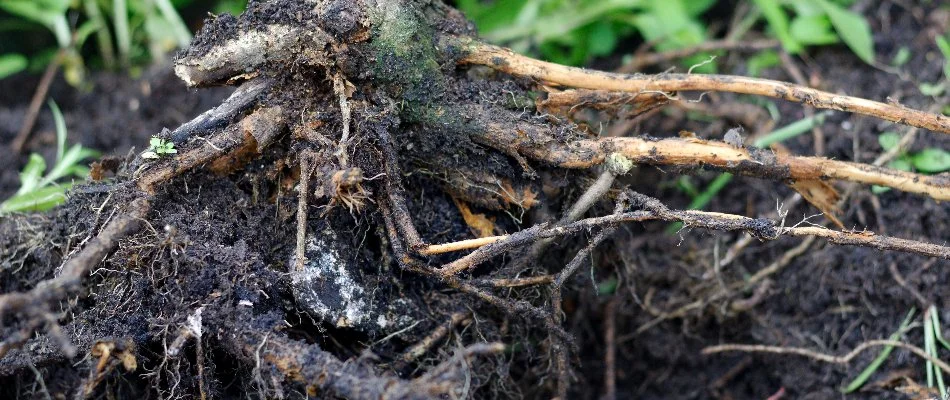
Root rot is a serious disease that affects the root systems of trees, shrubs, and other plants. This disease develops when the roots of your trees are exposed to prolonged moisture because of poor drainage, improper watering practices, or soil compaction. The excessive moisture provides an ideal environment for fungi to thrive, damaging the roots of your trees and causing them to rot.
As the disease progresses, the roots of your trees will continue to deteriorate. As a result, your plants' lifeline to essential nutrients becomes weak, affecting their ability to absorb the resources they need to grow healthy. This will lead to visible symptoms on your trees, including wilting, yellowing leaves, and stunted growth. Without proper treatment, the disease will cause significant damage to your trees so that they are no longer able to recover on their own.
How do you deal with root rot?
If you suspect that your tree has root rot, it's important to act quickly to prevent further damage. The first step is to reach out to tree care experts and schedule professional treatments to combat the disease. Experts can assess your tree to understand the extent of the root rot issue. From there, they will apply targeted disease control treatments to address the disease and stop it from causing further damage to your trees. These treatments work by stopping the fungus that causes the root rot, keeping it from spreading.
Schedule tree fertilization treatments to help your trees recover from any root rot damage.
Once your tree has been treated for root rot, it's important to help it recover from the damage caused by the disease. That's where tree fertilization comes in. Fertilization treatments play an important role in helping your trees recuperate from root rot by bolstering their health and promoting deeper and stronger root growth. Make sure you work with tree care professionals for your trees' fertilization needs.
When you work with professionals, they will evaluate the health and overall condition of your trees to provide them with a targeted approach that is tailored to their specific needs. A targeted fertilization program will replenish your trees' nutrient supply, giving them enough strength and energy to rebuild their damaged roots and fortify their resilience. Additionally, professionals will use high-quality fertilizers and apply them the proper way to maximize absorption!
Call us today to schedule our tree and shrub disease control service!
Root rot is a serious disease that can cause significant damage to your trees. However, with the right treatment and care, your trees can recover and continue to thrive. At Herbi-Systems, we offer a professional tree and shrub disease control service to combat root rot and tree and shrub fertilization treatments to help your trees recover from any damage caused by the disease. Don't wait until it's too late - call us today at (901) 382-5296 to schedule our disease control treatment service and protect your trees from this devastating disease. This service is offered to residential and commercial properties, as well as HOAs, in Memphis, Collierville, Germantown, TN, and throughout the surrounding areas.
Comments (0)
Thanks for your comment!
Thanks for your feedback! Your comments have been successfully submitted! Please note, all comments require admin approval prior to display.
Error submitting comment!
There is a problem with your comment, please see below and try again.