
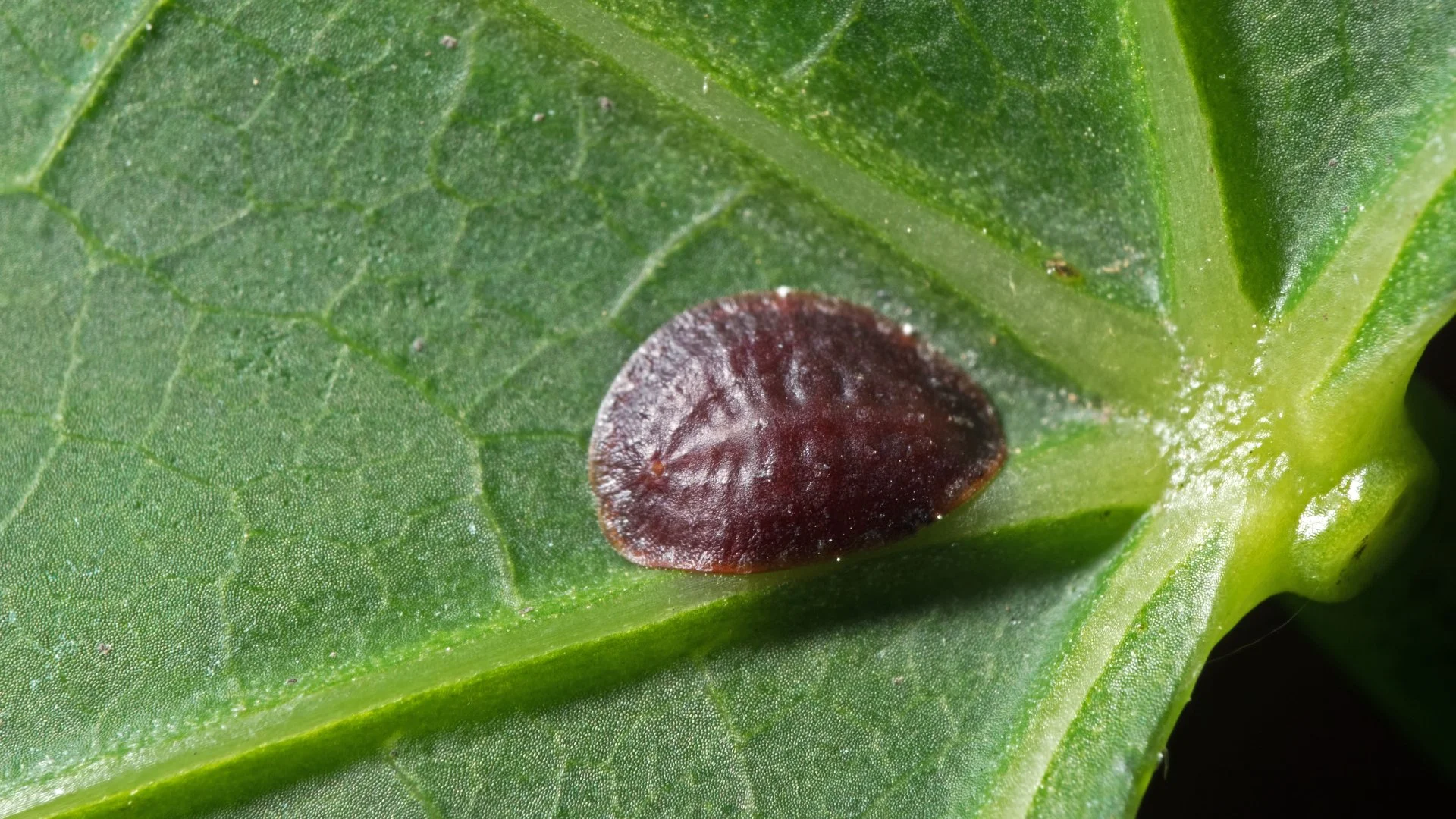
Scales are tiny, sap-sucking insects that attach to trees and shrubs, causing damage. Infestations can lead to yellowing leaves, stunted growth, and even plant death. They also produce honeydew, which attracts ants and promotes sooty mold, blocking sunlight. To combat scales, schedule curative treatments to reduce populations and limit damage. Regular monitoring is also key to catching early infestations and addressing them before they cause extensive damage. It's also important to invest in a tree and shrub care program to enhance plant recovery and resilience through fertilization and preventative insect control, creating a robust defense against scales and maintaining a healthy garden in Tennessee.
What are scales, and what kind of damage can they cause to plants?
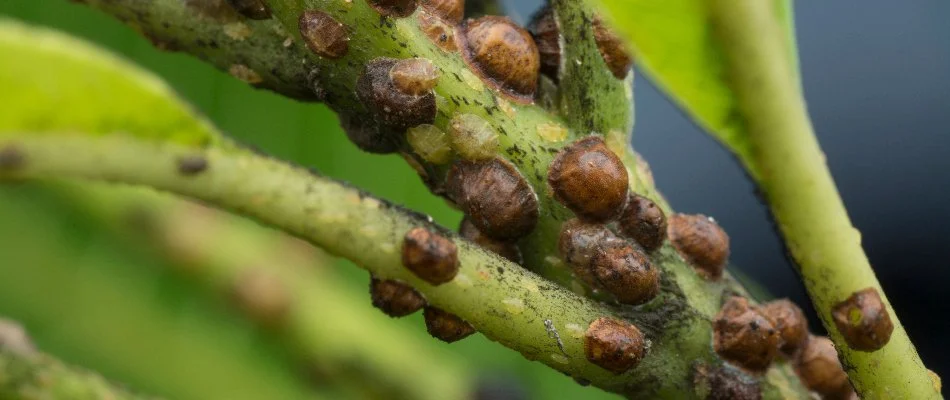
Scales are small, sap-sucking insects that attach themselves to the leaves, stems, and branches of trees and shrubs. They appear as tiny, plate-like structures and can be brown, black, or white, blending into the plant's surface. Despite their size, scales can cause significant damage to plants by siphoning off essential nutrients.
As they feed, scales weaken plants, leading to yellowing leaves, stunted growth, and branch dieback. Severe infestations can even result in plant death. Additionally, scales excrete a sticky substance known as honeydew, which attracts ants and encourages the growth of sooty mold. This black fungus covers leaves, blocking sunlight and further impairing plant health. Left unchecked, scale infestations can turn a once-thriving garden into a struggling landscape.
How do you deal with scales on your plants?
To effectively combat scales, scheduling curative tree and shrub insect control treatments is essential. These treatments target existing scale populations, helping to reduce their numbers and limit the damage they cause. Professionals can identify the specific type of scale affecting your plants and apply targeted treatments to manage the infestation effectively.
In addition to immediate treatments, it's essential to monitor plants regularly to catch and treat any future infestations early. Consistently keeping an eye on your trees and shrubs will allow you to act promptly, minimizing potential damage.
Invest in a tree and shrub care program to help your plants recover from scale-related damage.
Beyond curative efforts, investing in a comprehensive tree and shrub care program is an excellent long-term strategy. These programs typically include fertilization treatments that help plants recover from scale-related damage, enhancing their resilience and promoting healthy growth. By strengthening the plant's overall health, you make it less susceptible to future infestations.
Many care programs also offer preventative insect control treatments. These proactive measures are designed to protect your plants from potential scale attacks before they happen. By using a combination of curative and preventative treatments, you create a robust defense system that keeps your garden thriving.
Call us today to sign up for our tree and shrub insect control service.
If you suspect your plants are infested with scales, or you just want to get ahead and protect them from an infestation, we have you covered. Our team at Herbi-Systems offers a tree and shrub insect control service that provides both preventative and curative treatments. This means that we can eliminate existing infestations and prevent new ones from developing! The treatments we use not only target scales but also other plant insects, such as aphids, bagworms, spider mites, Japanese beetles, and more!
We offer this service to commercial and residential properties, as well as HOAs, in Memphis, Collierville, Germantown, TN, and neighboring areas. Give us a call today at (901) 382-5296 to sign up and enjoy peace of mind knowing your plants are in safe hands.
Comments (0)
Thanks for your comment!
Thanks for your feedback! Your comments have been successfully submitted! Please note, all comments require admin approval prior to display.
Error submitting comment!
There is a problem with your comment, please see below and try again.