
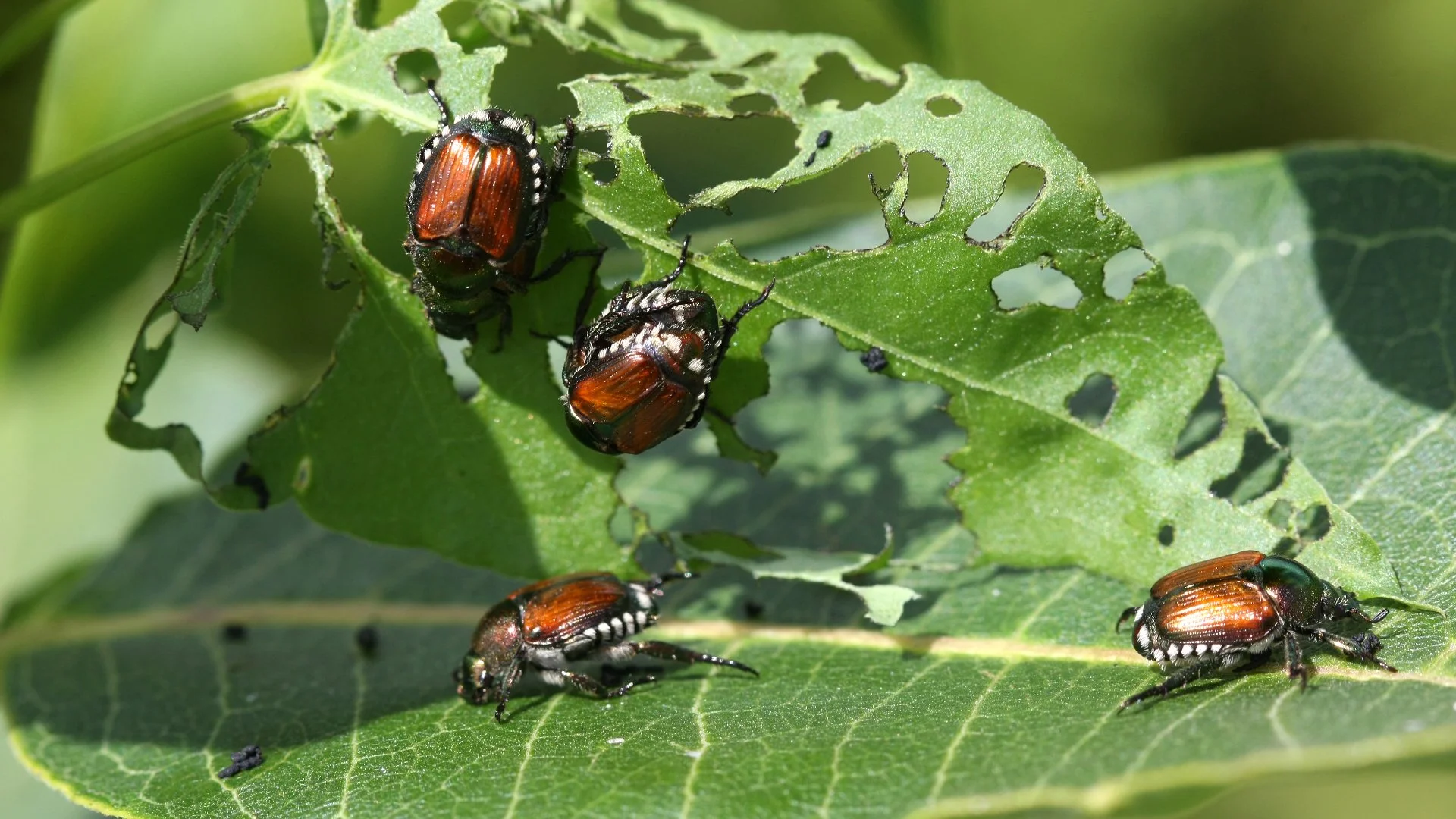
Japanese beetles are a common plant pest in Tennessee that can cause significant damage to your trees and shrubs. These beetles feed on the leaves, flowers, and fruits of various plants, leaving behind skeletonized foliage and weakened growth. If your plants are infested with Japanese beetles, it's crucial to schedule curative treatments as soon as possible to eliminate them and prevent further damage. Additionally, you can help your plants recover by investing in tree and shrub fertilization treatments. These treatments will provide the necessary nutrients to promote healthy growth and aid in the recovery process after a Japanese beetle infestation.
What are Japanese beetles, and how do they harm plants?
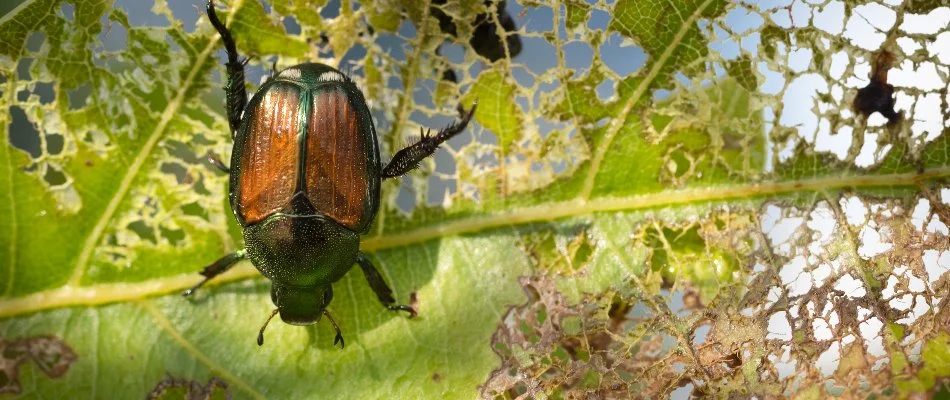
Japanese beetles are a type of beetle that is known for their distinctive metallic green and copper-colored bodies. These beetles are notorious for their destructive feeding habits, which can cause significant harm to plants. Japanese beetles primarily feed on the leaves, flowers, and fruits of various plants.
When they infest, they consume the tissue between the veins of the leaves, leaving behind a skeletonized appearance. In severe cases, Japanese beetles can hinder plant growth and cause the leaves to turn brown and fall off, resulting in significant damage.
What should you do if your plants are infested with Japanese beetles?
If you notice your plants are infested with Japanese beetles, it is crucial to take immediate action to prevent further damage. Scheduling curative treatments as soon as possible is essential to eliminate the beetles and protect your plants.
Curative treatments for Japanese beetles involve the use of insecticides that are specifically designed to target and kill these pests, which are applied directly to the affected plants. By scheduling these applications promptly, you can minimize the damage caused and prevent them from spreading to other plants in your garden. Regular monitoring and early intervention are key to successfully managing Japanese beetle infestations and protecting the health and vitality of your plants.
Schedule tree and shrub fertilization treatments to help your plants recover after a Japanese beetle infestation.
While curative treatments will eliminate an active Japanese beetle infestation, they can't reverse the damage already done. Because of this, it is important to help your plants recover and regain their strength. One effective way to do this is by scheduling tree and shrub fertilization treatments. Fertilization treatments provide essential nutrients to your plants, promoting healthy growth and aiding in their recovery after a Japanese beetle infestation. These treatments typically contain a balanced blend of nitrogen, phosphorus, and potassium, along with other micronutrients that support overall plant health.
Fertilizing your plants after a Japanese beetle infestation helps them rebuild their energy reserves and encourages new leaf and flower production. The nutrients in the fertilizer also stimulate root growth, allowing them to absorb water and other essential resources more efficiently. This, in turn, enhances their ability to withstand future stressors and recover more quickly from any damage caused by these beetles.
Sign Up for Our Tree & Shrub Insect Control Service by Calling Us
At Herbi-Systems, we understand how frustrating it can be to deal with Japanese beetles infesting your plants. Fortunately, we are here to help. We offer a tree and shrub insect control service that includes as-needed curative treatments to eliminate infestations and preventative applications to safeguard them from Japanese beetles and other insects throughout the year. Additionally, this service comes with fertilization treatments to help your plants recover from any damage caused by these pests.
Our tree and shrub insect control service is offered to residential and commercial property owners, along with HOAs, in Memphis, Collierville, Germantown, and surrounding areas in Tennessee. Sign up for this service by calling us at (901) 382-5296!
Comments (0)
Thanks for your comment!
Thanks for your feedback! Your comments have been successfully submitted! Please note, all comments require admin approval prior to display.
Error submitting comment!
There is a problem with your comment, please see below and try again.