
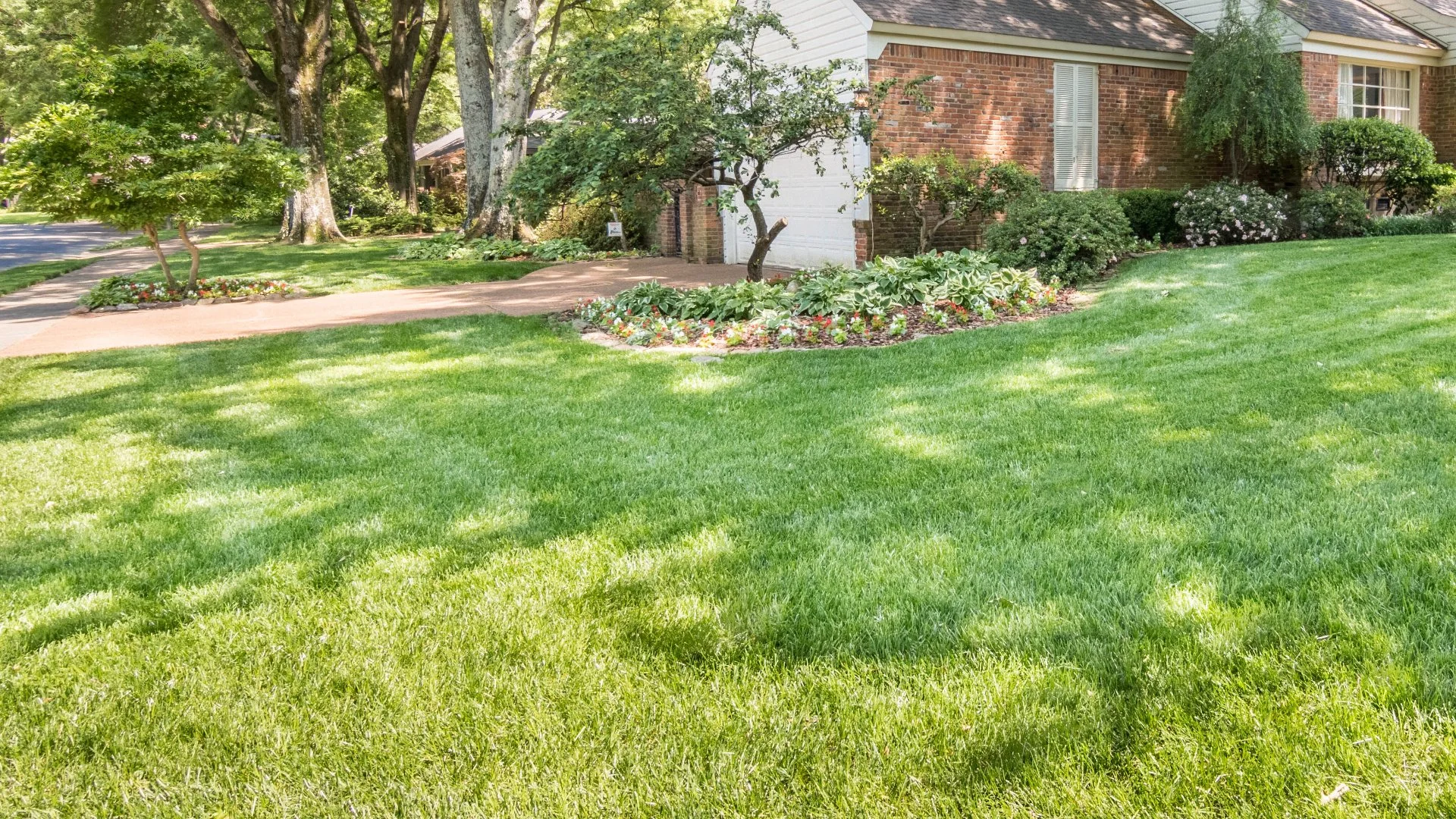
Overseeding can rejuvenate a lawn, but certain factors can affect the growth of the seeds. Poor seed-to-soil contact, inconsistent watering, and poor soil conditions or temperatures can prevent the seeds from germinating and growing properly. Ensuring proper soil preparation and a good aftercare routine will help your grass in Tennessee grow strong and lush.
Poor Seed-to-Soil Contact Can Affect Seed Growth After Overseeding
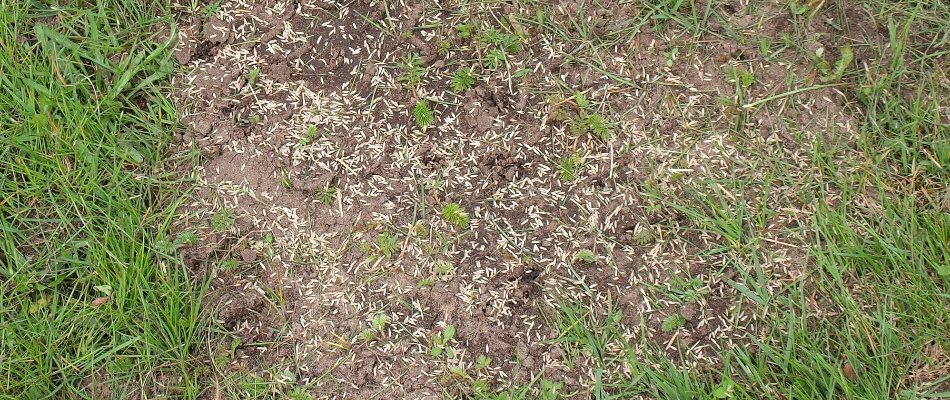
A fundamental part of successful overseeding is ensuring the seeds have good contact with the soil. Seeds need direct contact with the soil to access the moisture and nutrients needed for germination. If the seeds are simply scattered on top of the grass or left sitting on thatch, they may not germinate effectively. This problem is particularly common when overseeding is done in a hurry without proper preparation. The existing grass and thatch layer can act as a barrier, preventing the seeds from reaching the soil. To improve seed-to-soil contact, consider raking the lawn lightly before and after spreading the seeds.
Another effective strategy is to aerate the lawn before overseeding. Aeration involves creating small holes in the soil, which can help the seeds penetrate deeper and establish roots more effectively. This process also improves soil aeration and allows water and nutrients to reach the seeds more efficiently. It's also beneficial to remove any debris or dead grass that might obstruct seed contact with the soil.
Inconsistent watering can cause the seeds not to grow after overseeding.
Watering is critical to successful overseeding, and both underwatering and overwatering can hinder seed growth. Once seeds are spread, they require consistent moisture to germinate. Underwatering can cause seeds to dry out and die before they sprout. This is common, especially in areas with unpredictable rainfall or during dry spells. To prevent this, establish a regular watering schedule. Water lightly but frequently, especially in the first few weeks after overseeding, to keep the seeds moist and maximize germination.
On the other hand, overwatering can lead to waterlogged soil, which may suffocate the seeds or lead to fungal diseases. Excessive moisture can cause seeds to rot or promote mold and mildew, which are detrimental to seed development. Monitor the soil's moisture levels carefully. The goal is to keep the soil consistently moist but not soggy. A good practice is to water in the early morning or late afternoon to minimize evaporation and allow the soil to absorb the water more effectively.
Poor Soil Conditions or Temperature Can Affect Results of Overseeding
Soil condition and temperature play significant roles in seed germination and growth. Seeds need healthy soil to access the nutrients they require. Compacted or nutrient-poor soil can prevent seeds from developing properly. It's essential to aerate the soil before overseeding and consider adding organic matter or a starter fertilizer to improve soil quality. This preparation enriches the soil and provides a nutrient-rich environment for seeds to flourish. Testing the soil's pH can also be beneficial, as certain grasses prefer specific pH levels for optimal growth.
Temperature is another crucial factor. Seeds won't grow effectively if they're spread during the hot summer months or if it's too late in the fall when soil temperatures dip below 50 degrees Fahrenheit. Grass seeds generally prefer cooler temperatures for germination, making early fall an ideal time for overseeding. During this period, the soil remains warm from summer heat, while air temperatures cool, creating ideal conditions for seed growth. Planting too late can leave seeds dormant through winter, delaying germination until the following spring. To maximize success, watch the weather forecast and aim for a window when temperatures stay consistently favorable.
Call our team today to sign up for our overseeding service!
With the right care and attention during and after overseeding, your lawn will be lush, green, and healthy. At Herbi-Systems, we offer an overseeding service to help you thicken your grass and boost its overall vitality. We offer this service in the fall, from September to October, to ensure ideal conditions for seed germination. Overseeding is available to homes and businesses, as well as HOAs, in and around Memphis, Collierville, and Germantown, TN. Call us at (901) 382-5296 to sign up!
Comments (0)
Thanks for your comment!
Thanks for your feedback! Your comments have been successfully submitted! Please note, all comments require admin approval prior to display.
Error submitting comment!
There is a problem with your comment, please see below and try again.