
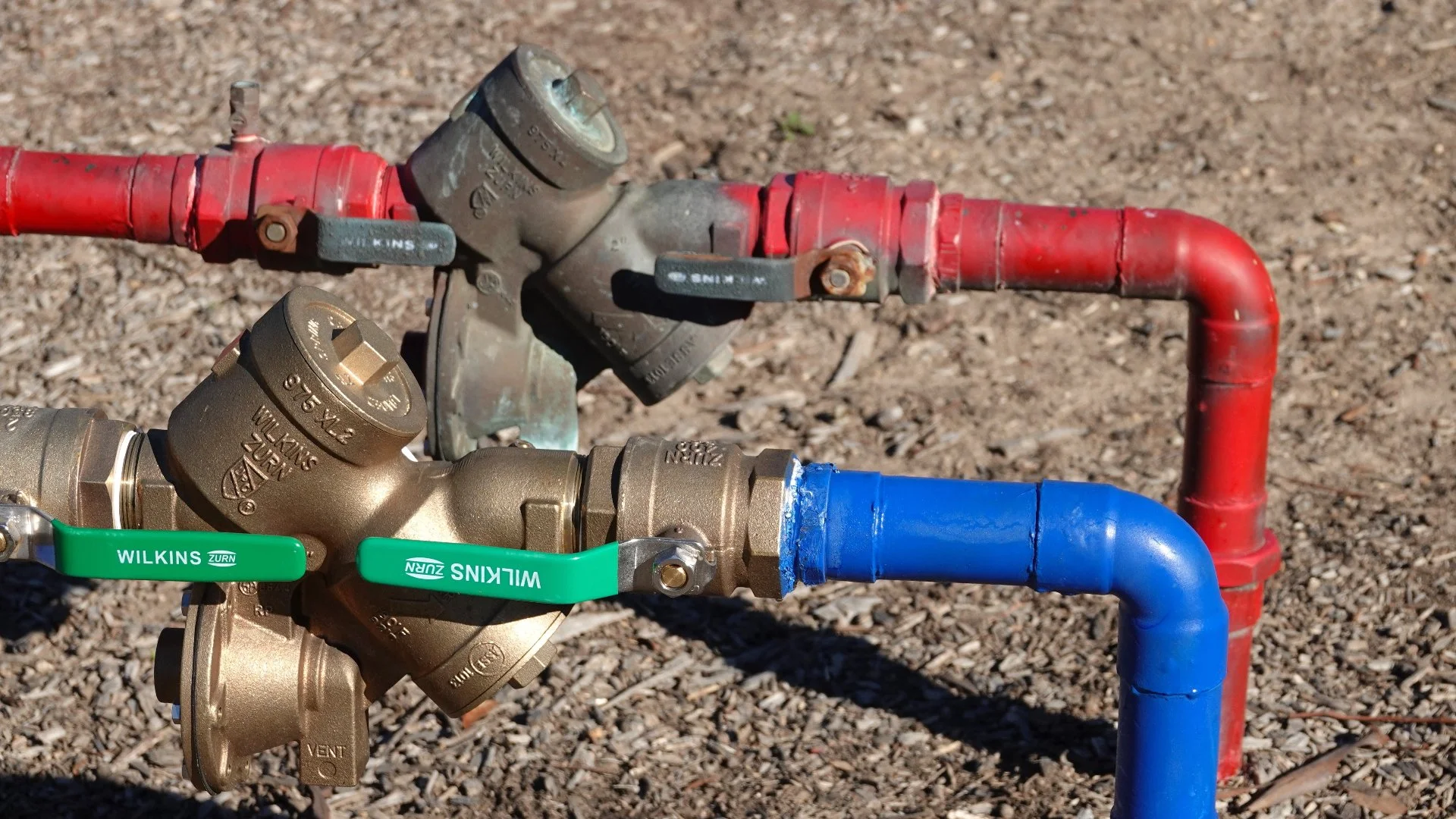
Back siphonage and back pressure are primary causes of backflow in irrigation systems, leading to potential contamination of your drinking water in Tennessee. Back siphonage occurs due to a sudden drop in water pressure, while back pressure happens when irrigation system pressure exceeds potable water supply pressure. Both can introduce contaminants into the water supply. To prevent backflow, ensure your system has a functioning backflow preventer and conduct regular maintenance. Annual testing by professionals is also essential to identify issues early and protect your water supply. This proactive approach safeguards your property and ensures compliance with local regulations.
What is back siphonage, and what causes it?
Back siphonage occurs when there is a sudden drop in water pressure, causing water to flow backward in the irrigation system. This reverse flow can draw contaminants from the irrigation system into the potable water supply. Back siphonage is often caused by events such as a water main break, high water demand from firefighting efforts, or any situation that results in negative pressure in the water supply system. When this happens, the vacuum created can pull non-potable water, fertilizers, or pesticides from your irrigation lines into your drinking water, leading to contamination. Ensuring that your system is equipped with a functioning backflow preventer can help mitigate this risk.
What is back pressure, and what causes it?
Back pressure occurs when the pressure in the irrigation system exceeds the pressure in the potable water supply. This can happen if an irrigation pump creates higher pressure or if there is an elevation change where water pressure builds up. In such cases, the higher pressure in the irrigation system forces water back into the main water supply line. This reverse flow can introduce contaminants from the irrigation system into your clean water supply. Issues like clogged or malfunctioning pressure regulators or improperly installed irrigation pumps can exacerbate back pressure problems. Regular maintenance and inspection of your irrigation system can help identify and address potential causes of back pressure.
What should you do to prevent backflow in your irrigation system?
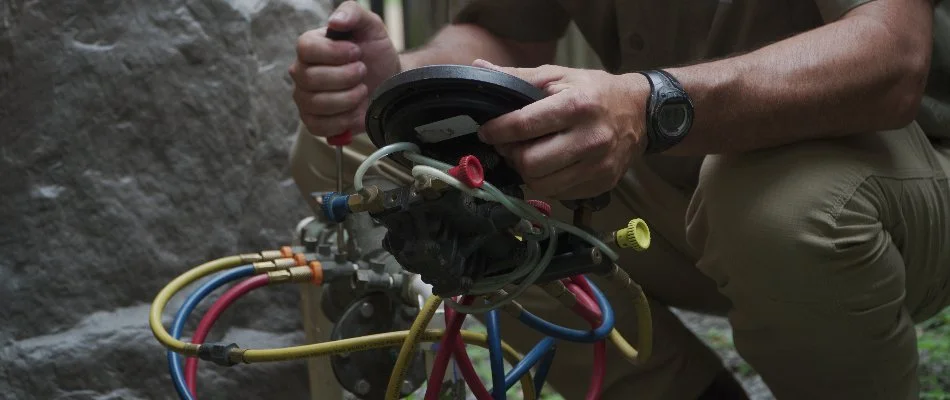
If you suspect backflow in your irrigation system, it’s crucial to act quickly. Contacting a professional to repair or replace your backflow preventer is essential. A backflow preventer is a device designed to protect your water supply from contamination by preventing reverse flow. Professionals have the expertise to assess your system, identify the cause of backflow, and implement effective solutions.
Annual testing of your backflow preventer is critical to ensure it’s functioning correctly. Regular maintenance and testing can help detect issues early and prevent potential contamination of your drinking water. By prioritizing the health of your irrigation system and water supply, you protect both your property and the well-being of everyone who relies on your water. Investing in professional services for testing and maintenance ensures that your system remains compliant with local regulations and operates safely.
Our irrigation startup service includes backflow testing. Call us to schedule this service!
At Herbi-Systems, we understand the importance of keeping your drinking water supply safe and uncontaminated. That's why we offer a comprehensive irrigation startup service that includes backflow testing to ensure that your system's backflow device is functioning correctly. Our team of experts will inspect and test your backflow prevention device to ensure that it's operating as intended, protecting your drinking water from potential contamination.
We proudly serve homes and businesses, as well as HOAs, in Memphis, Collierville, Germantown, TN, and neighboring communities. Don't take chances with your drinking water supply. Call us today at (901) 382-5296 to schedule our service and get peace of mind knowing your backflow device is safe and compliant.
Comments (0)
Thanks for your comment!
Thanks for your feedback! Your comments have been successfully submitted! Please note, all comments require admin approval prior to display.
Error submitting comment!
There is a problem with your comment, please see below and try again.